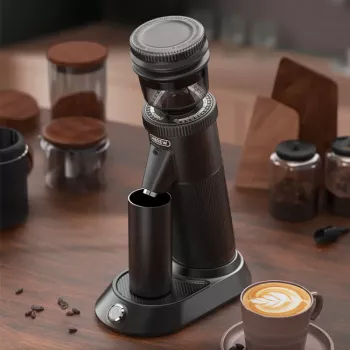
A conical burr grinder is built for repeatable results—whether dialing in espresso, smoothing out pour-over, or keeping French press from turning muddy. The difference shows up in the cup: cleaner sweetness, less bitterness, and a brew that tastes more like the coffee you bought. Below is a practical guide to what matters most (grind range, uniformity, retention, noise, and cleaning), plus an easy starting chart for common brew methods.
Unlike blade grinders that chop beans into a mix of dust and boulders, burr grinders crush beans between two precisely aligned surfaces. That design makes particle size more consistent, which is the foundation for better extraction.
Consistency isn’t just a “coffee nerd” detail—uniform grounds help water flow evenly. That means fewer bitter over-extracted particles mixed with sour under-extracted ones, so flavors come through with less noise.
When grind size is predictable, it’s easier to adjust a recipe without guessing. Small changes become meaningful, and you can steer taste instead of hoping for the best.
If you want to go deeper on technique and fundamentals, the Specialty Coffee Association (SCA) and the National Coffee Association (NCA) both publish approachable brewing resources that pair well with a consistent grinder.
Use grind size as the first “lever” for taste. Start with a broad setting, then fine-tune by flavor: sour/weak often indicates too coarse; bitter/dry often indicates too fine or simply too much extraction for the recipe.
| Brew method | Starting grind | What to change if it tastes off |
|---|---|---|
| Espresso | Fine | If fast and sour: finer; if slow and bitter: coarser |
| AeroPress | Fine–Medium | If harsh: coarser; if thin: finer |
| Pour-over (V60/Chemex) | Medium | If stalls: coarser; if weak: finer |
| Drip coffee maker | Medium | If bitter: coarser; if flat: finer |
| French press | Coarse | If sludge: coarser; if weak: finer |
| Cold brew | Coarse–Extra coarse | If astringent: coarser/shorter steep; if weak: finer/longer steep |
For brew education that’s especially good at explaining how grind affects flow, extraction, and clarity, James Hoffmann’s guides are a strong reference: jameshoffmann.co.uk.
A grinder can be technically capable and still feel annoying day-to-day if it makes a mess or holds onto old grounds. These practical details help keep results consistent and cleanup simple.
If you frequently switch between decaf and caffeinated beans (or between very light and very dark roasts), consider purging a small pinch after changing coffees. It’s a small habit that reduces flavor “ghosting” from retained grounds.
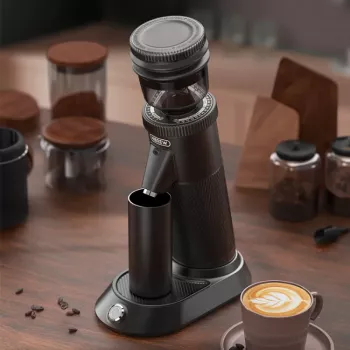
If the goal is consistent grinding across multiple brewing styles with repeatable daily settings, the Conical Burr Electric Coffee Grinder is a straightforward fit. Electric operation helps you keep routines fast on busy mornings while still giving you the control to fine-tune espresso, pour-over, or French press without re-learning your setup every time.
For a cohesive kitchen setup alongside your coffee station, these in-stock options also pair well for serving and daily use: Luxury 5-Piece Gold Stainless Steel Flatware Set and the Luxury Black Gold Cutlery Set.
Yes—if it can grind fine enough and offers small, repeatable adjustments. Dial in by targeting a reasonable shot time and balanced taste, then move the grind slightly finer or coarser based on what you’re tasting.
For typical home use, light brushing every 1–2 weeks helps prevent buildup, with a deeper clean about monthly or whenever flavors start to seem muted. Always follow the manufacturer’s guidance for disassembly and cleaning methods.
Low humidity and certain beans (especially oily roasts) can increase static and clumping. Try adding a tiny droplet of water to the beans before grinding, and keep the chute and exit path clean to reduce buildup.








Leave a comment