

Set-and-forget cooking gets even easier with a simple, beginner-friendly slow cooker guide that covers wholesome breakfasts and weeknight dinners. This digital download focuses on reliable methods, practical ingredient swaps, and smart planning tips so meals come out flavorful, tender, and ready when needed—without a sink full of dishes.
If the goal is to cook more at home without hovering over the stove, a well-structured digital guide can act like a shortcut: it narrows choices, keeps techniques consistent, and turns “What’s for dinner?” into a small set of dependable templates. For extra peace of mind on safe handling and temperature basics, USDA guidance on slow cookers and food safety is a helpful reference.
The Easy Slow Cooker Recipes Digital Download Guide is built for real schedules: quick assembly, forgiving cook times, and meals that can be repurposed into lunches or freezer portions.
Rather than relying on hard-to-find ingredients, the guide leans on everyday staples—beans, broth, canned tomatoes, grains, and core spices—then shows how to vary flavors with small finishing touches like citrus, vinegar, fresh herbs, or a spoonful of yogurt.
Use this as a starting point; appliance heat levels vary by model and fill level. Avoid lifting the lid often—each peek can add noticeable time. For best texture, add delicate ingredients (leafy greens, dairy, quick-cooking pasta) near the end.
| Ingredient type | Low setting (approx.) | High setting (approx.) | Best practice note |
|---|---|---|---|
| Boneless chicken (chunks) | 5–6 hours | 2.5–3.5 hours | Keep covered with sauce/broth to prevent drying |
| Pork shoulder (shredded) | 8–10 hours | 5–6.5 hours | Rest 10–15 minutes before shredding for juicier texture |
| Beans (cooked/canned) | 3–4 hours | 1.5–2.5 hours | Rinse canned beans; add late to avoid mushiness |
| Root vegetables | 6–8 hours | 3–4 hours | Cut evenly; place near bottom where heat is strongest |
| Egg-based breakfast bake | 2.5–3.5 hours | 1.5–2.5 hours | Grease insert well; check center for set |
A simple routine: portion breakfasts into containers as soon as they cool slightly, then refrigerate. Warm oats tend to thicken overnight, so a splash of milk during reheating brings them back to a creamy texture. Egg bakes slice cleanly once chilled—ideal for grab-and-go mornings.
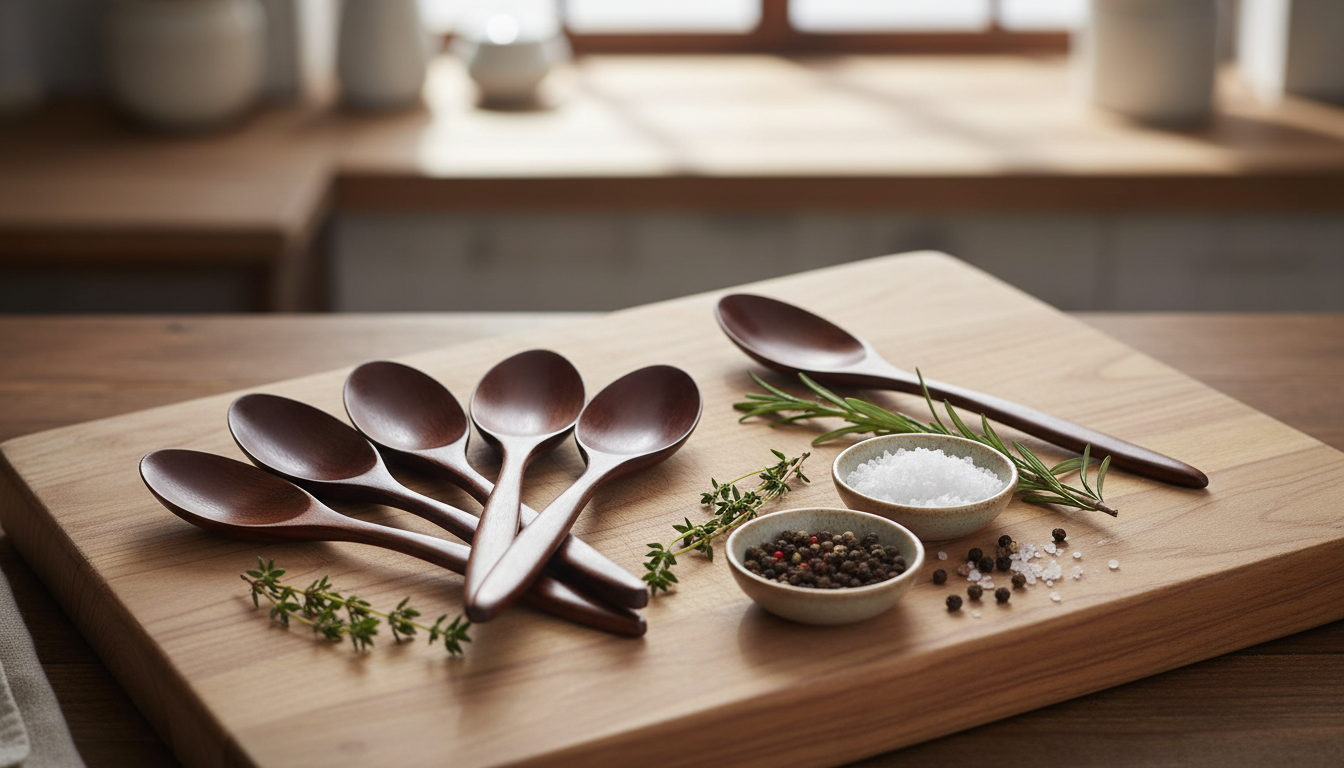
For weeknights, “multi-use” dinners are the quiet win. A single batch of shredded chicken can become a rice bowl one night, tacos the next, and a quick soup after that—just change the sauce and toppings. When serving saucy meals, sturdy utensils make it easier to stir, portion, and scrape the insert clean without damaging surfaces; the 8-Piece Heat-Resistant Silicone Kitchen Utensils Set with Wooden Handle is a practical, all-around option.
When meals are broth-y or saucy, table comfort matters as much as cook convenience. The Luxury 5-Piece Gold Stainless Steel Flatware Set – Knife, Fork, Spoon Cutlery adds a polished feel for weeknight bowls and dinner-party-style plating—without changing what’s in the slow cooker.
Leftovers are where slow cookers shine—especially when stored safely. Cool foods promptly, portion into shallow containers for faster chilling, and label with dates. For a quick refresher on storage windows, FoodSafety.gov’s cold food storage charts make meal prep decisions simple.
Yes, as long as it includes clear steps, timing guidance, and basics like layering order, liquid amounts, and safe doneness checks. Beginner-friendly recipes should be forgiving and rely on common ingredients.
Yes—build flavor with aromatics, spices, and finishing touches like citrus, vinegar, or fresh herbs while keeping an eye on salt, sugar, and heavy fats. Using beans, vegetables, and lean-to-moderate fats can still produce a satisfying texture.
Cool leftovers quickly, refrigerate in shallow containers, and reheat until steaming hot. Many soups, grains, and shredded meats also freeze well when portioned and sealed to limit freezer burn.








Leave a comment