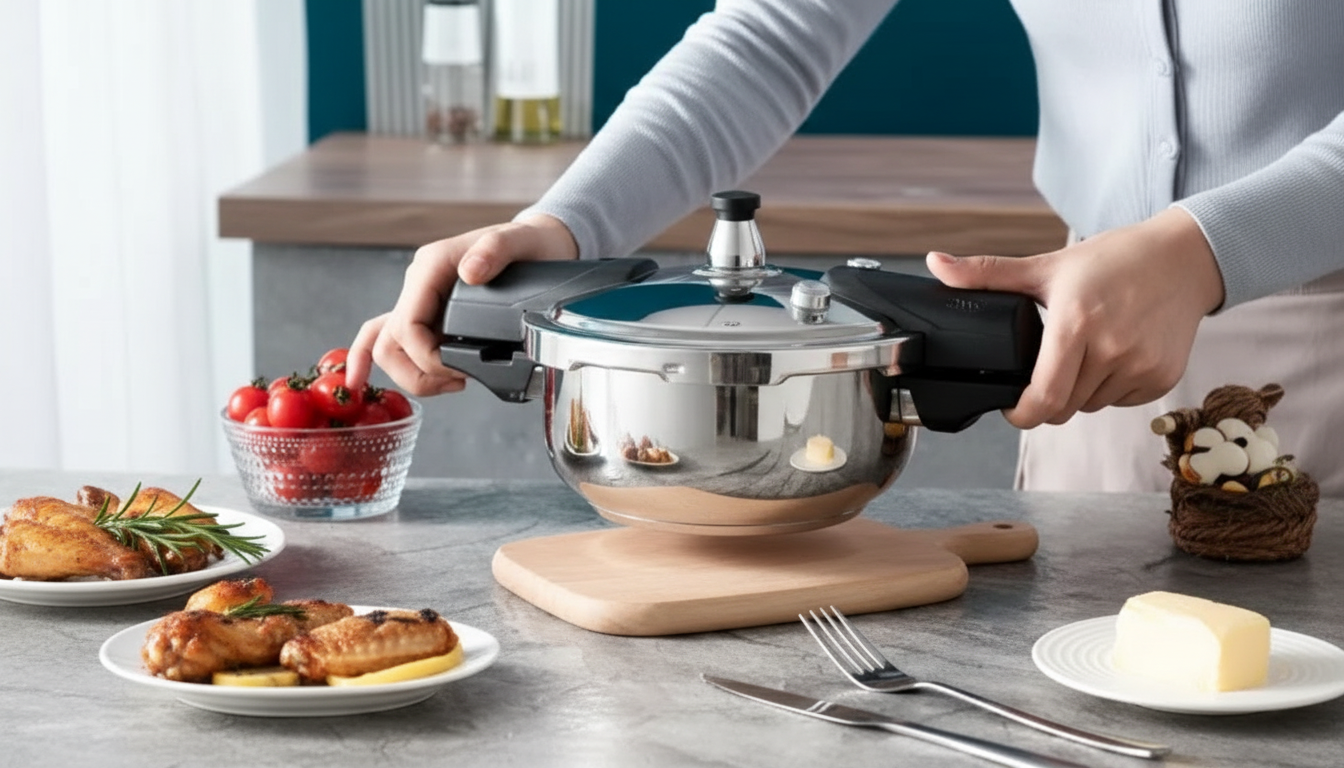
The best non-toxic pressure cooker is one that avoids questionable coatings and metals, uses stable food-contact materials, and still performs reliably under heat and pressure. For most kitchens, a stainless steel inner pot (not nonstick-coated) is the safest, most practical baseline. Look for models that pair that pot with food-safe silicone sealing rings and clearly labeled components, so you know what touches your meals at every step.
Electric pressure cookers are popular for convenience, but the “non-toxic” part comes down to materials: prioritize stainless steel where food sits, minimize plastic contact with hot food, and skip any unknown or damaged coatings. If a brand won’t clearly disclose inner-pot material and coating type, it’s better to move on.
Stainless steel cooking surface: A 304 (18/8) or similar stainless steel inner pot is a strong choice for durability and neutral performance. Avoid scratched nonstick interiors, which can degrade faster over time.
Transparent materials list: The safest purchase is one with clear documentation for the inner pot, lid components, and gasket material (typically silicone). This makes maintenance and replacement straightforward.
Limited plastic exposure: Some electric lids include plastic parts; that’s common. Aim for designs where hot food primarily contacts stainless steel, and the lid’s steam/condensation path is easy to clean.
Replaceable seals and valves: A pressure cooker is only as clean as its sealing ring. Being able to replace gaskets and valves helps reduce odor retention and keeps performance consistent.
In most cases, the best non-toxic pressure cooker is an electric model with a stainless steel inner pot (no nonstick coating), a stainless steel steam rack, and readily available replacement silicone rings. To compare specific picks, materials, and tradeoffs, visit the full guide here: https://cutleryspot.shop/what-is-the-best-non-toxic-pressure-cooker/.
Stainless steel is generally preferred for a “non-toxic” setup because it avoids chemical nonstick coatings and holds up well under high heat and pressure. It can require a bit more technique to prevent sticking, but it’s durable and easy to inspect for wear.







Leave a comment